Greenhouse Importance
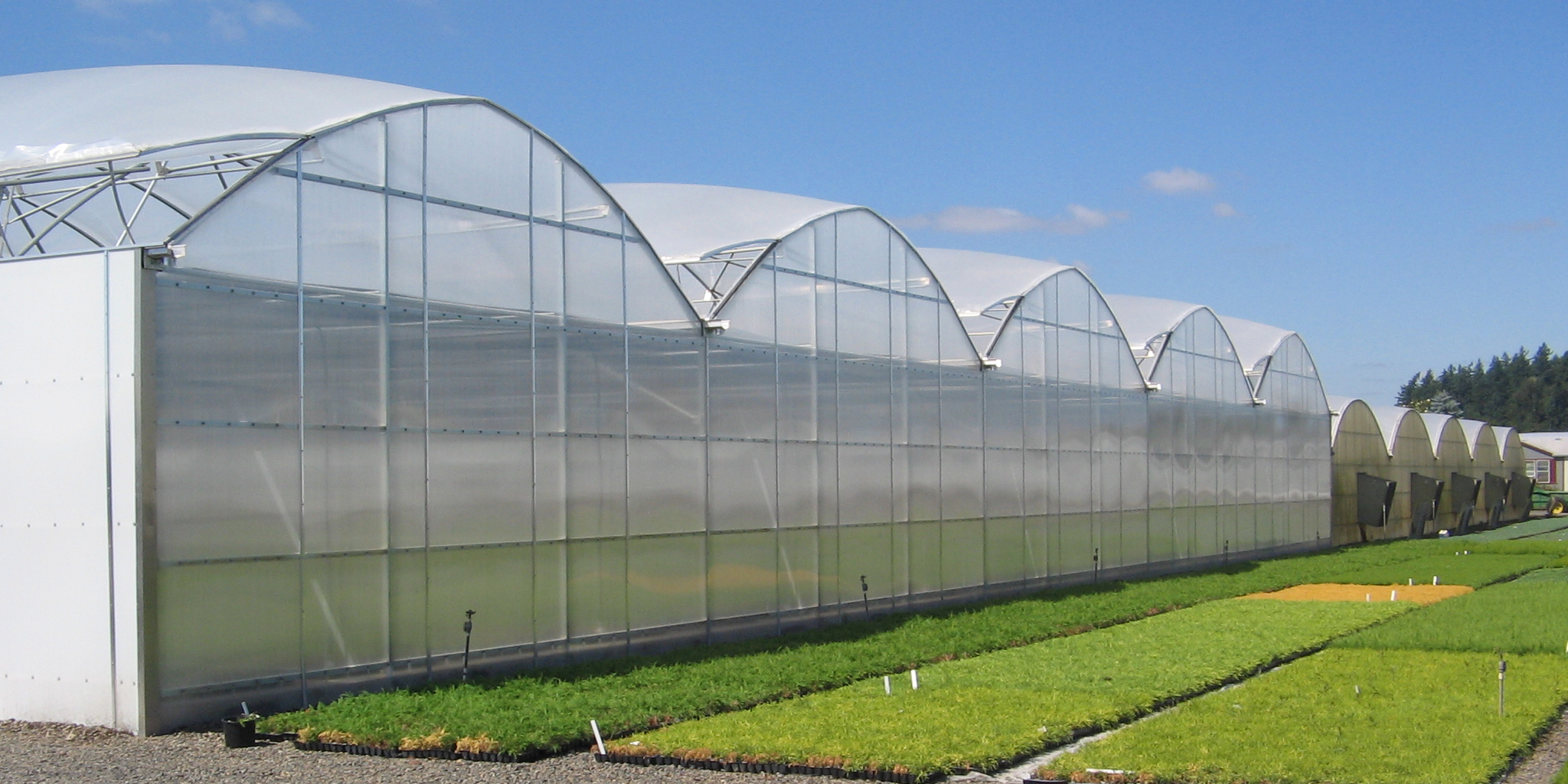
Greenhouse farming is an important and growing form of agriculture in Kenya, and it offers a number of benefits to farmers and the economy. Greenhouse farming allows farmers to control the environment in which their crops are grown, which can result in improved yields and higher quality crops. This is particularly important in areas with challenging climates, where traditional outdoor farming methods may not be as productive. Greenhouse farming can help to increase land productivity by providing a reliable source of fresh, high-quality produce throughout the year.
Critical Considerations
Building a greenhouse can be a rewarding and enjoyable project, but it is important to carefully consider a number of factors before getting started. Some of the most important considerations when building a greenhouse include the size and location, materials, ventilation and temperature control, accessibility and convenience, and cost.
- Size and location. TThe size and location of your greenhouse will have a big impact on its functionality and effectiveness. Consider the amount of space you have available and the types of plants you want to grow, and choose a size and location that will provide the right amount of light and space for your plants.
- Materials. The materials you use to build your greenhouse will determine its durability, longevity, and overall appearance. Consider the climate in your area and choose materials that are strong, weather-resistant, and easy to maintain.
- Ventilation and temperature control. Proper ventilation and temperature control are essential for maintaining a healthy environment for your plants. Consider the climate in your area and choose a greenhouse design that provides adequate ventilation and allows you to easily control the temperature inside the greenhouse.
- Accessibility and convenience. Consider how you will access the greenhouse and how you will move plants and equipment in and out. Choose a design that provides easy access and allows you to easily move plants and equipment around inside the greenhouse.
- Cost. Building a greenhouse can be a significant investment, so it is important to carefully consider the costs involved. Consider the materials and labor costs, as well as the ongoing costs of heating and maintaining the greenhouse.
At Sturgis, we consider all these factors and provide you with the most considerable deal that incorporates all these factors to offer structurally competent greenhouses and a cost convinient to you.
Type of Greenhouses that we make
- Cold frame greenhouses. These are the smallest and simplest type of greenhouse, consisting of a small frame with a clear cover that is placed directly on the ground. Cold frame greenhouses are typically used for starting seeds or hardening off seedlings, and they can be made from a variety of materials including wood, plastic, and metal.
- Freestanding greenhouses. These are larger greenhouses that are built on a permanent foundation and are typically made from wood, aluminum, or galvanized steel. Freestanding greenhouses can be used for growing a variety of plants, and they often feature shelves, benches, and other features to support plant growth.
- Lean-to greenhouses. These are greenhouses that are attached to an existing building, such as a house or barn. They are typically smaller than freestanding greenhouses and are often used for growing herbs or other small plants.
- Geodesic dome greenhouses. These are greenhouses that are shaped like a dome, and they are made from a series of interconnected triangles. Geodesic dome greenhouses are typically made from metal or plastic and are known for their strength and durability.
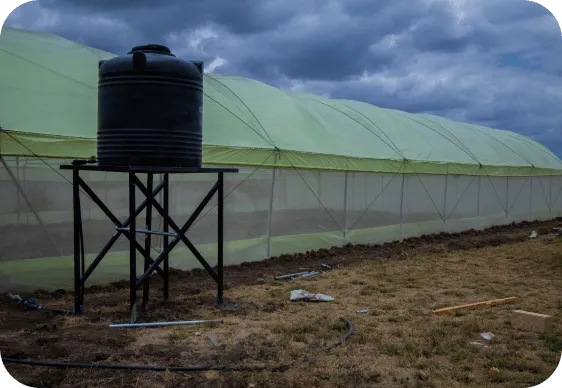
- Plastic tunnel greenhouses. These are greenhouses that are made from plastic sheeting stretched over a metal or plastic frame. They are typically used for growing vegetables, and they can be easily disassembled and moved to a different location.