What is a Milk Pastuarization
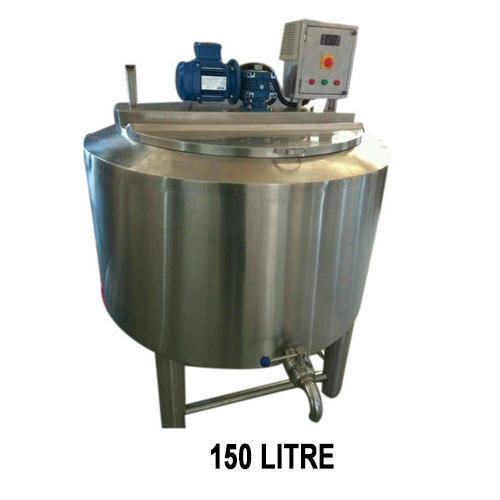
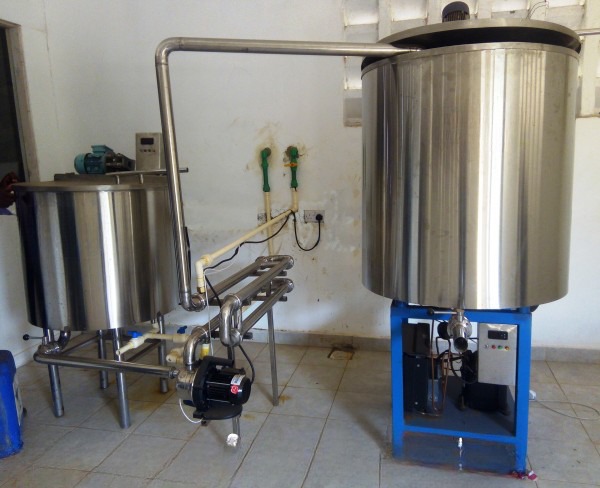
Milk pasteurization is a process that involves heating milk to a specific temperature for a certain amount of time in order to kill any harmful bacteria that may be present in the milk. This is an important step in ensuring that the milk we consume is safe and free from disease-causing microorganisms. Dairy equipment for milk pasteurization typically includes a pasteurizer, a heating element, and a means of accurately measuring the temperature of the milk. The pasteurizer itself can come in many different forms, from small, tabletop units for home use to large, industrial-sized pasteurizers for use in commercial dairy operations.
How we make our Milk Pastuarizers
Milk pasteurizers are typically made from stainless steel, which is a durable and corrosion-resistant material that is well-suited to the high temperatures and potentially corrosive nature of milk. The specific design and construction of milk pasteurizers can vary, but they generally consist of a heating chamber, a means of controlling and monitoring the temperature of the milk, and a cooling system to rapidly cool the milk after the pasteurization process is complete. To make a milk pasteurizer, the stainless steel components are first cut to the appropriate size and shape using a laser or other precision cutting tool. These components are then welded together to form the basic structure of the pasteurizer, including the heating chamber, the temperature control system, and the cooling system.
Once the basic structure of the pasteurizer is complete, it is tested to ensure that it is airtight and free from leaks. This is typically done by filling the pasteurizer with water and pressurizing it to simulate the conditions of the pasteurization process. After the pasteurizer has been tested and deemed to be free from leaks, it is equipped with the necessary temperature sensors and control systems. These systems allow the operator to accurately monitor and control the temperature of the milk during the pasteurization process. Once the pasteurizer is fully assembled and equipped with the necessary temperature control systems, it is ready for use. It can then be used to safely and effectively pasteurize milk, ensuring that it is free from harmful bacteria and safe for consumption.
How does a milk pastuarizer work
The heating element is typically a steam- or water-based system, which is used to raise the temperature of the milk to the required level. The temperature must be carefully controlled and monitored throughout the pasteurization process to ensure that it is consistent and effective. Once the milk has been heated to the required temperature, it must be held at that temperature for a certain amount of time in order to kill any harmful bacteria that may be present. This is known as the "hold time," and it is typically measured in minutes. After the hold time has been completed, the milk must be rapidly cooled to prevent any bacteria that may have survived the pasteurization process from multiplying. This is typically done using a cooling system, such as an ice water bath or a refrigerated cooling coil.